For years, Delhi’s skyline has been blurred by a persistent gray haze — a daily reminder of the city’s battle against air pollution. But behind the scenes, a strong and evolving strategy is taking shape, blending regulations, infrastructure upgrades, technological innovation, and community participation.
Delhi is no longer sitting idle. It’s responding to its air quality crisis with urgency, science, and a spirit of collaboration. Let’s dive deeper into how the city is stepping up the fight for cleaner air.
A Staged Response to a Growing Threat
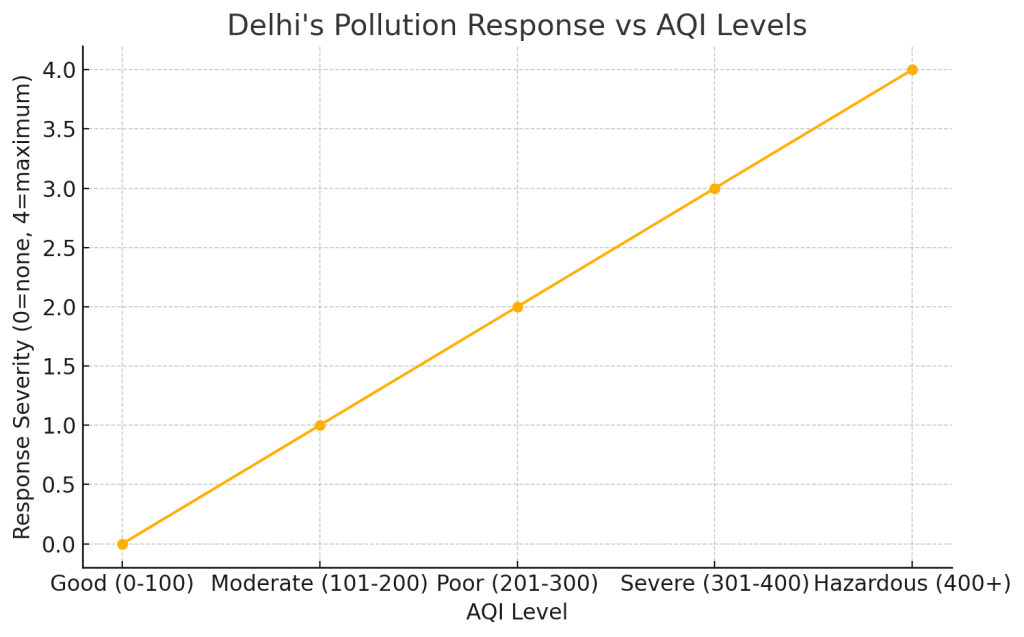
Delhi has adopted a graded action plan that kicks in as pollution levels rise. When the Air Quality Index (AQI) crosses 200 — a level considered “poor” — the response automatically escalates:
- First Level Actions: Enhanced dust control on roads, intensified mechanical sweeping, and improved traffic management.
- If the situation worsens: Stricter restrictions such as banning construction and demolition activities, limiting truck and bus entry into the city, and closing schools.
- At the highest levels of pollution: Authorities promote work-from-home, restrict vehicle movement through odd-even schemes, and ramp up public awareness campaigns.
This staged approach ensures that Delhi doesn’t wait for a health emergency — it acts before the situation becomes unbearable.
Hotspots Under the Microscope
Thirteen areas in Delhi, known for being major pollution contributors — including Narela, Bawana, Okhla, and Anand Vihar — have been identified as pollution hotspots. Each of these zones now has a tailor-made action plan:
- Removal of garbage and plastic dumps
- Clearing construction waste
- Road repair projects
- Decongesting major traffic bottlenecks
- Regular water sprinkling and mechanical sweeping
- Closure of non-compliant industries
- Night patrolling to catch and curb illegal burning activities
These hyper-local plans aim to attack pollution at the source, street by street, neighborhood by neighborhood.
Transitioning to Cleaner Energy
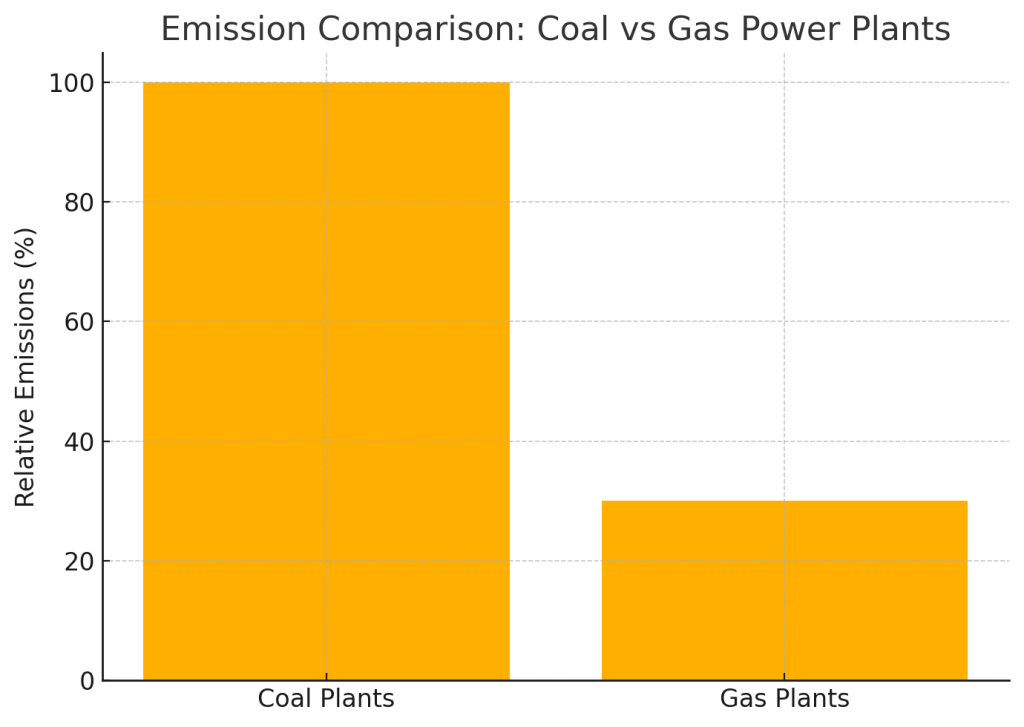
Another significant move: Delhi shut down its coal-based thermal power plants. The city is now turning to gas-based power plants which produce far fewer emissions. This major transition not only reduces local air pollutants but also cuts down greenhouse gases, aligning with broader climate goals.
Tackling the Dust Problem
Construction dust alone contributes significantly to Delhi’s air woes. Authorities now require all construction sites to:
- Cover construction materials
- Regularly spray water to suppress dust
- Ensure safe debris movement
Studies suggest that proper dust control can reduce particulate matter levels by up to 50% — a massive potential impact if enforced rigorously across thousands of sites.
Cleaner Kitchens, Cleaner Skies
Believe it or not, Delhi’s beloved tandoors and wood-fired kitchens were also culprits. Efforts are now underway to replace coal and wood use in hotels and restaurants with cleaner fuels like LPG. Additionally, providing LPG connections to low-income households is helping phase out the use of wood, crop residue, and dung — all major sources of dangerous indoor and outdoor pollution.
Waste Burning: A Top Priority
Open burning of municipal solid waste was once a daily, nightmarish sight across Delhi. To tackle this:
- Waste collection infrastructure has been upgraded
- Monitoring has been tightened
- Heavy penalties are being imposed on offenders
Stopping the daily burning of hundreds of tons of waste is a crucial step toward cleaner air.
Reinventing Mobility
Recognizing that old, diesel-guzzling vehicles were major pollution culprits, Delhi is now:
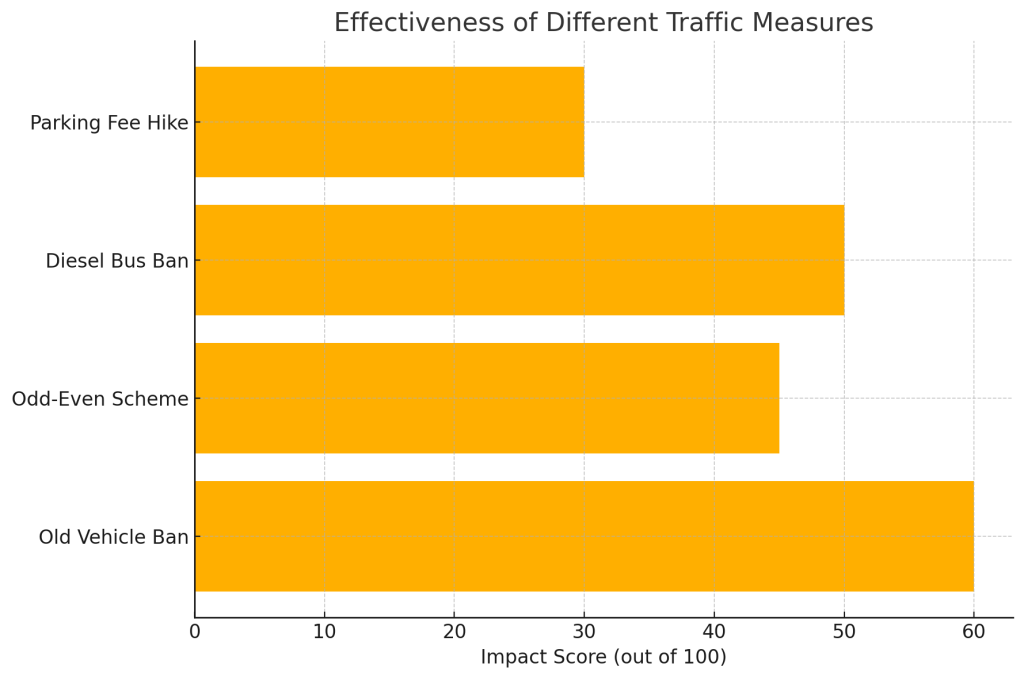
- Restricting the entry of old commercial vehicles
- Enforcing odd-even vehicle rationing during high pollution periods
- Banning diesel buses where possible
- Hiking parking fees in public areas to discourage excessive private car use
Cleaner transport means cleaner air — and less traffic congestion too.
Empowering Citizens to Take Action
Pollution control isn’t just about government mandates — it’s about community vigilance too. The Delhi Pollution Control Committee (DPCC) has launched a WhatsApp helpline where citizens can report:
- Open waste burning
- Dust pollution at construction sites
- Illegal dumping activities
Meanwhile, emission monitoring systems have been installed at waste-to-energy plants and major industries to ensure real-time compliance.
Cooperation Beyond Delhi’s Borders
Delhi’s air isn’t produced solely within city limits. Farm stubble burning in neighboring states — Haryana, Punjab, and Uttar Pradesh — heavily impacts Delhi’s winter air quality. Recognizing this, Delhi is working more closely with these states to promote:
- In-situ stubble management technologies
- Farmer incentives to avoid burning
- Large-scale awareness programs
Because in the end, air pollution doesn’t respect political boundaries.
A Collective Effort for a Breathable Future
Pollution control isn’t just about government mandates — it’s about community vigilance too. Citizens can play a critical role by reporting dust pollution, illegal dumping, and open waste burning through platforms like the Delhi Pollution Control Committee’s WhatsApp helpline.
In fact, individual actions to reduce pollution — such as using delhi public transport, avoiding waste burning, planting trees, and switching to cleaner fuels — can significantly amplify city-wide efforts for cleaner air
Frequently Asked Questions (FAQ)
1. Why is Delhi’s air so polluted?
Delhi’s pollution comes from multiple sources — vehicle emissions, construction dust, industrial activities, burning of crop stubble in nearby states, waste burning, and even weather patterns that trap pollutants.
2. What is AQI and why is 200 considered bad?
The Air Quality Index (AQI) is a scale that measures air pollution levels. An AQI of 0-50 is considered good, 101-200 is moderate to poor, and above 200 indicates harmful pollution levels, especially for sensitive groups.
3. What is the “odd-even” vehicle scheme?
Under this scheme, cars with odd-numbered plates and even-numbered plates are allowed to drive on alternate days to cut down traffic and vehicular emissions.
4. How is Delhi handling construction dust?
Strict guidelines require all construction materials to be covered, sites to have water sprinklers, and debris to be safely transported to prevent dust from spreading.
5. What has been done about industrial pollution?
Polluting industries, especially those near residential areas, have been either shut down or mandated to switch to cleaner technologies and fuels.
6. Is waste burning still a problem?
Waste burning has decreased significantly with better waste collection systems and citizen reporting through helplines, but enforcement remains key.
7. What role does stubble burning in Punjab and Haryana play?
It’s a major contributor during October-November. Smoke from burning fields travels hundreds of kilometers and heavily worsens Delhi’s air quality.
8. Can Delhi residents report pollution violations?
Yes, citizens can report dust pollution, illegal burning, and waste dumping via a dedicated DPCC WhatsApp number or apps like Green Delhi.
9. Are cleaner fuels being promoted?
Yes, authorities are replacing coal with gas in power plants, encouraging LPG use in homes and restaurants, and promoting electric vehicles.
10. Will Delhi’s air quality improve permanently?
Experts say it’s possible — but only if efforts are sustained year-round, expanded regionally, and backed by strong political and public will.